The Jewish Women Who Helped Build Modern Retail
- Ella Mann
- May 9
- 3 min read

The history of fashion retail is often told through famous brands, department stores, and powerful business families. Yet many of the biggest changes in the way Americans shop were shaped by Jewish women and Jewish immigrant entrepreneurs who transformed the fashion industry. They did more than open stores, they changed the entire shopping experience. From the rise of department stores and boutique fashion to inclusive sizing and personalized customer service, their ideas reshaped retail culture. These innovators understood something that still drives fashion today: people are not just buying clothes, they are buying a lifestyle, an identity, and a point of view.
One of the earliest architects of modern fashion retail was Hattie Carnegie. Born in Austria and raised in New York, Carnegie built a business that blurred the line between designer and retailer.
Her stores were not simply places to buy clothing, they were environments built around aspiration, taste, and lifestyle. By combining her own designs with European-inspired fashion and presenting them in carefully curated settings, Carnegie introduced a new model of shopping centered around identity and personal style. Long before branding became central to fashion, Carnegie understood the power of creating a world customers wanted to step into.
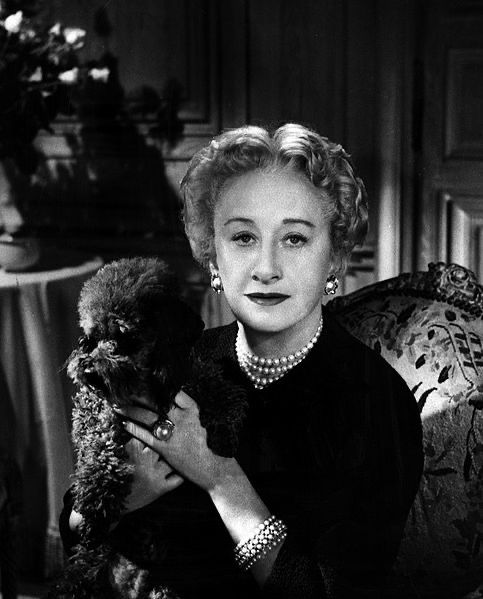
Lena Himmelstein Bryant, founder of Lane Bryant, expanded the boundaries of who fashion was designed for. At a time when maternity and plus-size clothing were largely ignored by the industry, Bryant built a business around fit, comfort, and accessibility. Her work challenged narrow assumptions about the consumer and created space for women who had long been excluded from mainstream fashion. This was not simply a retail innovation, it was a redefinition of who deserved visibility within fashion itself.

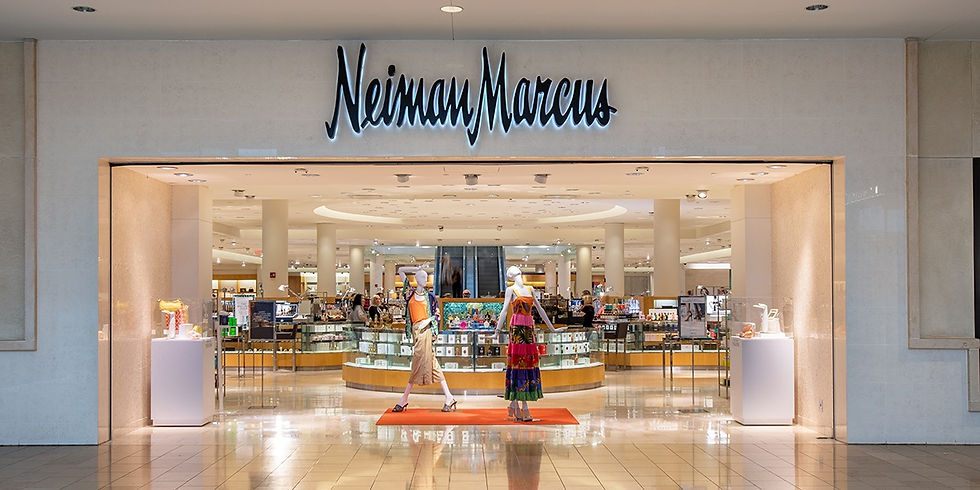
Carrie Marcus Neiman, co-founder of Neiman Marcus, helped establish a distinctly American vision of luxury retail, one grounded in both sophistication and scale. At a time when shopping in the United States was still largely utilitarian, Neiman Marcus introduced an elevated, fashion-driven approach that emphasized service, presentation, and exclusivity. Carrie Marcus Neiman helped shape an experience that felt curated, aspirational, and deeply personal. By bringing European fashion to an American audience while building a uniquely American luxury culture, Neiman Marcus helped transform the department store into both marketplace and cultural authority.
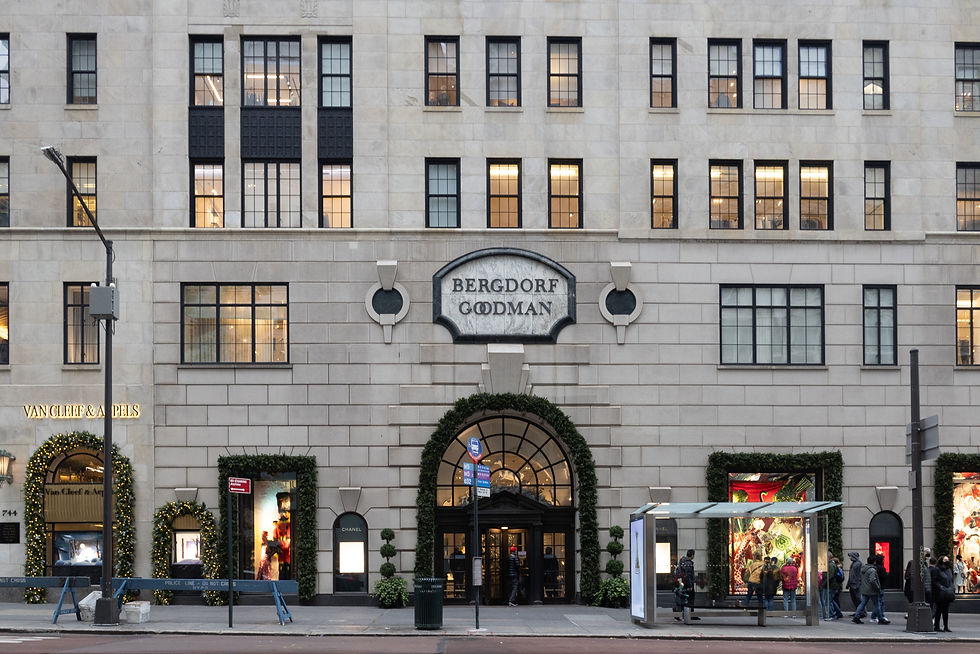
Jewish entrepreneurs also played a major role in shaping New York’s luxury retail landscape through stores like Bergdorf Goodman, Henri Bendel, and Barneys New York. Edwin Goodman, who helped transform Bergdorf Goodman into one of America’s most prestigious luxury retailers, expanded the store into a symbol of exclusivity, designer fashion, and elite Manhattan shopping culture. Henri Bendel became known for introducing emerging designers, elevating visual merchandising, and helping turn Fifth Avenue retail into an artistic and fashion-forward experience.
Barneys New York, founded by Barney Pressman, brought a more modern and downtown-oriented approach to luxury retail. The store became known for discovering new talent, embracing avant-garde fashion, and shaping contemporary designer culture in the United States. Together, these retailers helped redefine what luxury shopping could look and feel like in America.
Jewish immigrant families were also deeply connected to the rise of major department stores, including Bloomingdale’s and Saks Fifth Avenue. These stores changed shopping on a massive scale. They introduced spectacle, seasonal displays, designer fashion, and a sense of theater into retail culture. Shopping became an experience tied to aspiration and modern urban life rather than simply necessity. In many ways, they created the blueprint for the experiential retail culture that still shapes fashion today.

Together, these figures helped shape the foundations of modern retail. Hattie Carnegie helped pioneer boutique curation and fashion branding. Lena Bryant expanded ideas of inclusivity and accessibility. Carrie Marcus Neiman elevated luxury retail, while retailers like Bergdorf Goodman, Henri Bendel, Barneys, Bloomingdale’s, and Saks transformed shopping into a cultural experience.
Their influence is still visible today, in curated stores, immersive branding, edited collections, and fashion spaces designed to feel personal and aspirational. They did not simply build businesses. They helped define the way modern consumers experience fashion itself.


Comments