The Unofficial Camp Uniform

There may be no fashion ecosystem more intense than a Jewish sleepaway camp, where hundreds of teenage girls somehow end up wearing the same three sweatshirt brands while insisting they're all expressing their own style.
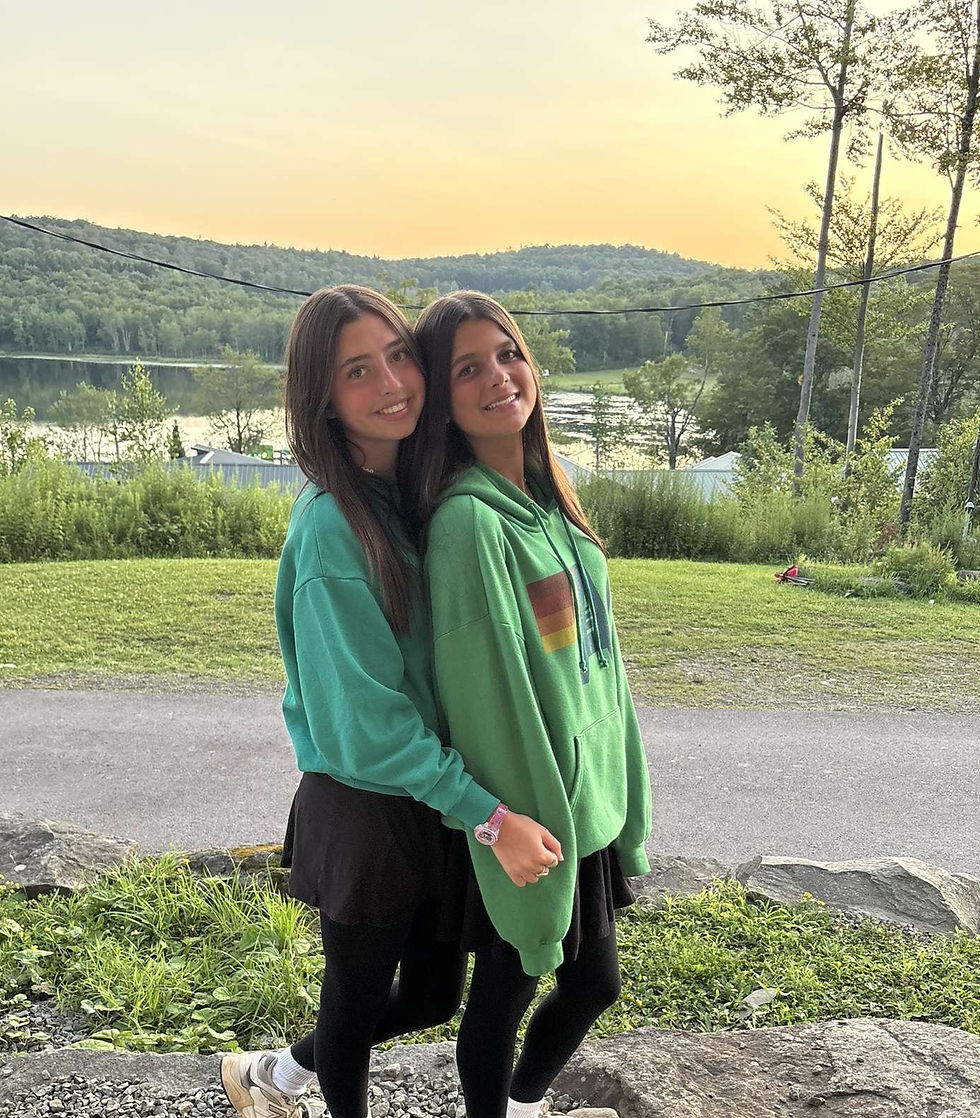
Before camp even starts, there is camp shopping. Giant duffels spread across bedroom floors. Camp haul Snapchat stories. The panic over whether last summer's brands are suddenly embarrassing. The search for the perfect oversized sweatshirt that looks effortless without looking like you tried too hard. And somehow, camp fashion always feels completely separate from school fashion.
At school, especially in Manhattan private schools, most girls grow up around the same people for years. Everyone gradually starts dressing alike because they shop at the same stores, follow the same influencers, and hear about the same trends at the same lunch tables.
Camp changes that immediately.
Suddenly, girls from Manhattan meet girls from Miami, Great Neck, Boca, Los Angeles, Houston, Teaneck, and the Five Towns. Everyone arrives with a slightly different idea of what "cool" looks like.
Some girls already know every trend because they have older sisters whose closets function like fashion archives. Others discover everything for the first time at camp: the necklace stacks everyone copies by second session, the sneakers that suddenly become the unofficial camp shoe, the sweatshirt brands that seem to explode overnight.

One summer it was Brandy Melville and oversized graphic tees. Another year everyone wanted matching Skims sweatsuits. Then came Free City, Madhappy, Aviator Nation, and now Alo. The brands change almost every summer, but somehow everyone still ends up chasing the same look.
Camp trends move quickly because camp is one of the first places where girls really begin dressing themselves. At school there are uniforms, dress codes, or parents still somewhat involved in what their children wear. But at camp, you're suddenly living in a bunk with fifteen other girls, sharing mirrors, borrowing sweatshirts, getting dressed for Shabbat dinner, color war breakouts, canteen socials, and visiting day.
You start noticing everything. The girl who somehow always has the perfect oversized hoodie. The girl whose jewelry always looks effortlessly layered. The girls who wear sweatpants but still somehow look put together.
Camp fashion becomes strangely intense because everyone wants two opposite things at once: to stand out and to blend in.
Shabbat at camp almost felt like a fashion show. Right before dinner, older girls would storm into everyone's bunks raiding closets for the perfect outfit. Somehow, despite all the panic and outfit changes, everyone still ended up wearing variations of the same thing: floral maxi dresses, white cardigans, stacked necklaces, and curled hair that somehow survived camp humidity.

I never completely followed the Shabbat trends. I usually knew what I liked and what I felt comfortable wearing, even when it looked different from the unofficial camp uniform that summer.
Because camp fashion is never really just about clothes.
The sweatshirt you wear. The necklace everyone suddenly starts layering. Even the way someone styles a crewneck with an oversized claw clip becomes part of an unspoken social code. Sometimes the whole thing feels objectively ridiculous.
There are girls wearing $300 sweatshirts while sleeping in cabins without air conditioning and walking through mud to the dining hall. Rationally, none of it makes sense. But teenage fashion has never really been rational.
I don't think most girls are actually trying to impress each other as much as they're trying to feel secure. Clothing becomes a way to feel included, admired, protected from embarrassment, or simply a little less visible in an environment where everyone notices everyone else.
At the same time, camp also taught me that fashion could be creative. I discovered brands I'd never heard of before. I realized trends could look completely different depending on the person wearing them. Some girls treated fashion almost like performance, while others used it as comfort, armor, or self-expression.
This summer is technically my last camp summer, even though I'll be spending it on a five-week trip to Israel instead of in a bunk. Maybe that's why I've been thinking about camp more than usual.
When I think back on those summers, one of the first things I remember is always the clothes.
Not because the clothes themselves mattered that much, but because they tracked confidence. Identity. Growing up. I can remember entire summers through sweatshirts.
I still made sure to buy the Alo set before this summer. I still wanted the Aviator Nation sweatshirt. I already know I'll probably end up borrowing hoodies from friends almost every night anyway.
Somehow, clothes always lose their exclusivity at camp. A sweatshirt only becomes truly "camp" once three different girls have borrowed it. I've never completely liked that part—I usually prefer people not borrow my clothes—but at camp it almost becomes a compliment. It means your sweatshirt has become part of the bunk.

The older I get, the more I realize camp fashion was never really about the sweatshirts.
It was about identity. About hundreds of teenage girls trying to figure out who they were while simultaneously hoping they fit in.
Maybe that's why camp sweatshirts become so difficult to throw away years later. They're not reminders of fashion trends.
They're reminders of the version of yourself you were becoming.


Comments