The Jewish Actresses, Designers, and Beauty Queens Who Helped Shape Hollywood Glamour

When people think about classic Hollywood glamour, they usually picture satin gowns, diamonds, old studio portraits, and dramatic red carpets. But many of the people who helped create that image were Jewish actresses, beauty queens, and designers whose influence stretched far beyond film itself.
Through costume design, fashion, celebrity image-making, photography, and performance, they helped shape what glamour looked like throughout the twentieth century. What makes that especially interesting is that many of them were working during a time when Hollywood often pressured Jewish performers to soften parts of their identity, change their names, or fit a narrower version of beauty and sophistication. Yet many still became some of the defining faces of glamour itself. In some ways, that tension between reinvention and visibility became part of Hollywood glamour itself.
Gilbert Adrian
Long before celebrity stylists became major figures in pop culture, Hollywood costume designers were already shaping the entire image of glamour behind the scenes. One of the most influential was Gilbert Adrian, born Adrian Adolph Greenberg to a Jewish family in Connecticut. As chief designer at MGM, Adrian created looks for stars including Greta Garbo, Joan Crawford, and Judy Garland.
Even people who do not recognize Adrian’s name have probably seen his work. He designed Dorothy’s ruby slippers in The Wizard of Oz, one of the most recognizable costume pieces in film history. His designs felt dramatic but still modern at the same time. Strong shoulders, sharp silhouettes, elegance that looked powerful rather than delicate. Alongside designers like Edith Head, Adrian helped turn glamour into something carefully constructed, not accidental, but designed.

Hedy Lamarr
Before becoming one of Hollywood’s most famous screen stars, Hedy Lamarr was born Hedwig Kiesler to a Jewish family in Vienna. After fleeing Europe before World War II, she brought a distinctly European elegance to Hollywood that immediately made her stand out onscreen. But what makes her story so fascinating is that her legacy extended far beyond beauty or film. Alongside composer George Antheil, Lamarr co-developed early frequency-hopping technology that later contributed to wireless communication. Her story complicated the stereotype that glamour and intelligence could not exist together.

Lauren Bacall
Few actresses projected confidence the way Lauren Bacall did. Born Betty Joan Perske in the Bronx to a Jewish family, Bacall introduced a cooler, more controlled version of glamour. Her deep voice, tailored clothing, and calm presence felt very different from the more exaggerated femininity often associated with old Hollywood. She made glamour look sharp, intelligent, and effortless. Even now, you can still see traces of her influence in fashion photography and celebrity styling built around minimalism and understated elegance.

Marilyn Monroe and Elizabeth Taylor
After converting to Judaism, both Marilyn Monroe and Elizabeth Taylor became major symbols of Hollywood glamour. Monroe transformed beauty into mythology. The platinum hair, satin dresses, diamonds, and carefully managed public image created a version of celebrity that still shapes pop culture today. Elizabeth Taylor approached glamour differently. Through couture fashion, extraordinary jewelry collections, and larger-than-life public appearances, she helped connect Hollywood celebrity with luxury itself. Together, they helped create many of the visual ideas still associated with fame and glamour today.

Barbra Streisand
What made Barbra Streisand so influential was that she never fully reshaped herself to fit Hollywood expectations. At a time when actresses were often pressured to erase distinctive features or conform to a very narrow standard of beauty, Streisand built one of the most recognizable faces and voices in entertainment while still looking unmistakably like herself. That mattered. She helped redefine glamour as something connected not only to beauty, but also individuality, confidence, talent, and creative control.

Bess Myerson and Gila Golan
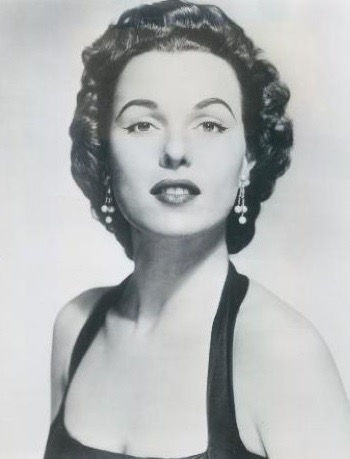
In 1945, Bess Myerson became the first Jewish Miss America during a period when antisemitism was still deeply present in the United States. Her visibility challenged ideas about who could represent American beauty at all. Years later, Gila Golan brought a distinctly Israeli presence into Hollywood fashion and film after surviving the Holocaust as a child and later becoming Miss Israel before entering modeling and acting. Together, they expanded traditional ideas of beauty, visibility, and celebrity in postwar culture.

Together, these actresses, designers, and public figures helped shape much more than Hollywood itself. Their influence extended into fashion, jewelry, beauty advertising, photography, luxury branding, and modern celebrity culture. Many of the visual ideas we still associate with glamour today were shaped in part by the images they created. Because glamour was never only about beauty.
It was also about visibility, reinvention, confidence, individuality, and the ability to control how the world sees you.


Comments