Why Do We Wear White on Shavuot?

Shavuot begins in two days, which means synagogues will soon fill with white clothes.
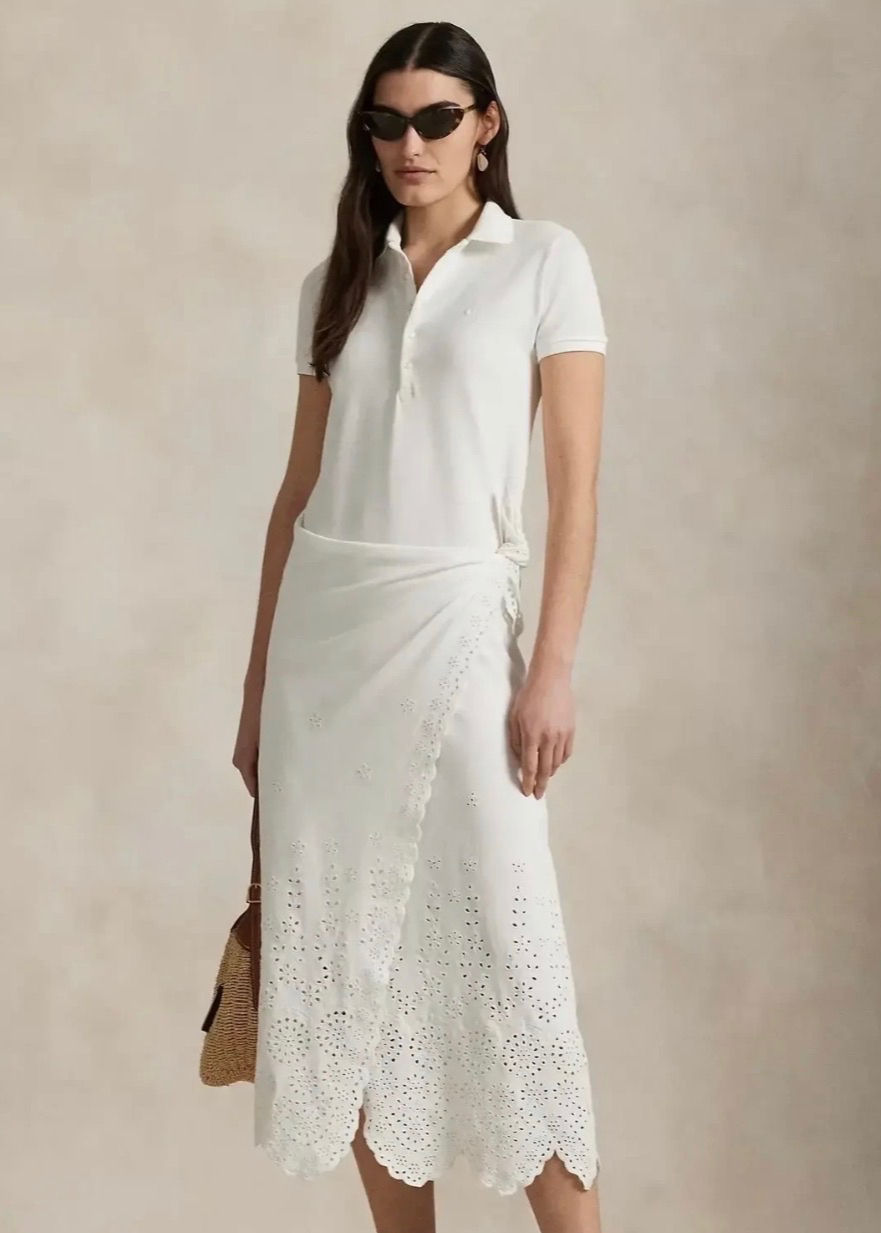
Wearing white has become one of Shavuots most recognizable customs, symbolizing purity, renewal, and spiritual preparation after the forty-nine days of counting the Omer. However, the connection between Shavuot and clothing goes far beyond aesthetics.

Before the Jewish people received the Torah at Mount Sinai, God instructed Moshe in the Book of Exodus: “Go to the people and consecrate them today and tomorrow. Have them wash their clothes.”
According to biblical commentary, this command involved both physical and spiritual preparation. The Israelites were expected to cleanse themselves, immerse in water, and launder their garments before the revelation at Sinai. Physical cleanliness and ritual purity were viewed as necessary preparation for receiving the Torah. That detail is striking because it reveals that clothing and presentation were not viewed as superficial concerns. Garments became part of spiritual readiness itself.
Shavuot also carries another symbolic layer through Jewish mystical tradition, which often describes the giving of the Torah as a symbolic wedding between God and the Jewish people. Mount Sinai becomes a kind of chuppah, with the Torah serving as a covenantal bond between the divine and the Jewish nation. This symbolism helps explain why white clothing became so strongly associated with the holiday. White evokes bridal imagery, purity, renewal, and the idea of beginning again with a spiritual “clean slate.”
The connection between Jews and fashion is often explained historically through garment districts, tailoring, department stores, and the rise of Jewish designers in America and Europe. However, Shavuot suggests the relationship may go far deeper than historical circumstance alone.
Clothing, presentation, and textiles are deeply woven throughout Jewish ritual life itself. From the priestly garments of the Kohanim to laws surrounding modesty, shatnez, mourning practices, and holiday attire, clothing has long carried spiritual symbolism within Judaism. At Mount Sinai, even before the Torah was received, the Jewish people were instructed to prepare their garments.
In Judaism, clothing was never treated as superficial. It carried meaning.


Comments